Resources
Our Resource Section: (No waffle, plain english)
The Coast to Coast Resources Hub is designed to give landlords, leaseholders and RMCs the confidence, clarity and practical support they deserve. Every guide, every template and every explainer has been created to remove confusion, simplify complex legal requirements and help you make informed decisions about your building or rental property. This is where professional knowledge becomes easy to understand — and even easier to use.
Our guides walk you through the topics that matter most. If you’ve ever wondered how service charges are structured, why Section 20 exists, or what your responsibilities are under fire safety legislation, you’ll find clear, plain‑English answers here. These aren’t generic articles pulled from the internet — they’re written by CIH‑qualified professionals who manage real buildings across Plymouth, Devon & Cornwall every day. They’re practical, accurate and tailored to the realities of property management in the South West.
You’ll also find guidance on leaseholder rights, helping residents understand what they’re entitled to, what they’re responsible for and how decisions are made within their building. For landlords, our compliance checklist provides a simple, structured way to stay on top of legal duties, safety requirements and tenancy obligations — ensuring your property remains safe, compliant and professionally managed throughout the year.
Alongside our guides, we provide ready‑to‑use templates that make everyday management smoother and more organised. Whether you need a maintenance reporting form that captures the right information the first time, or an AGM agenda that keeps meetings structured and productive, our templates save time, reduce stress and help everyone stay aligned.
This page is more than a collection of documents — it’s a toolkit designed to empower you. Whether you’re a landlord wanting clarity, a leaseholder seeking reassurance, or an RMC looking for structured support, the Coast to Coast Resources Hub gives you the knowledge and confidence to manage your building effectively.
And if you ever need help interpreting a guide, completing a template or applying any of this information to your own property, our team is always here to support you. Because great management isn’t just about what we do — it’s about what we help you understand.
Right to Manage (RTM)
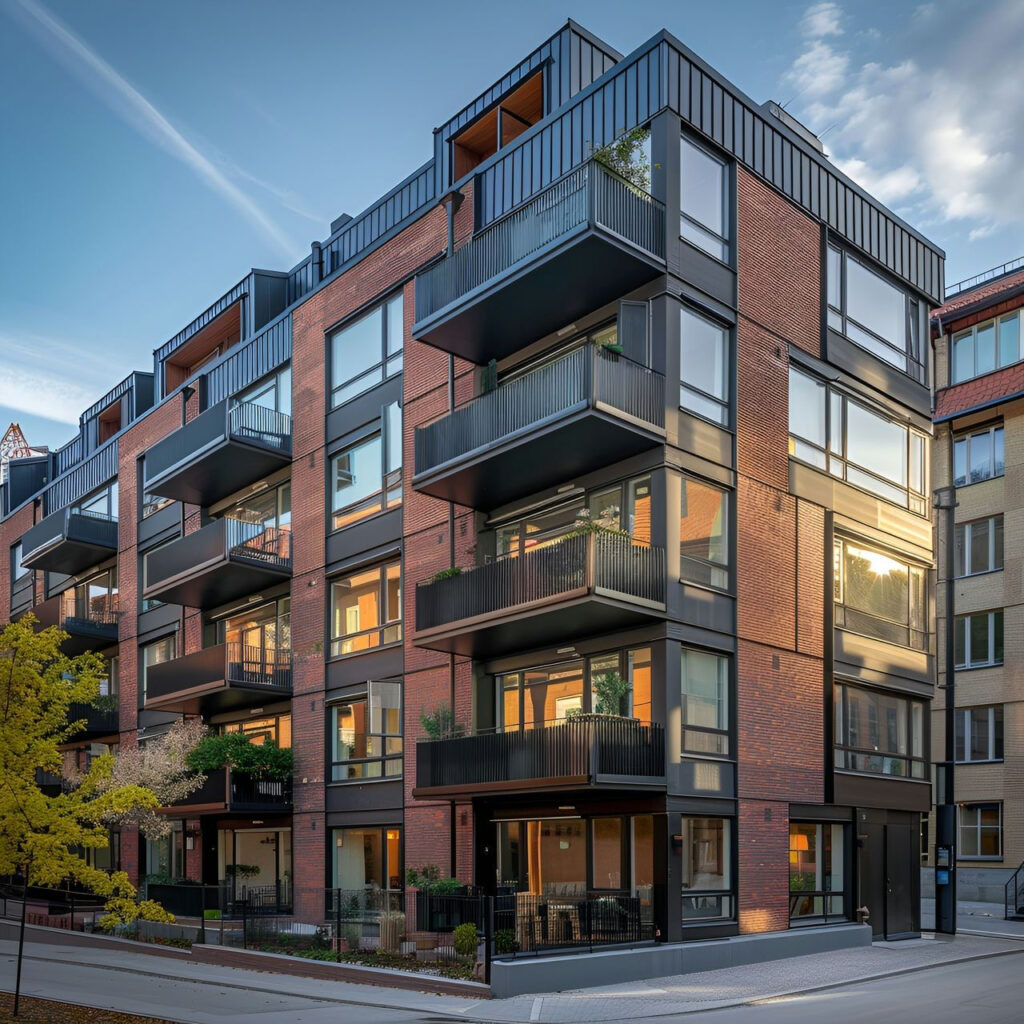
The Right to Manage (RTM) gives leaseholders the legal power to take control of their building’s management, even without proving fault by the freeholder. Coast to Coast supports RTM companies with clear guidance, structured processes and professional management once the right has been acquired.
RTM allows leaseholders to form a company that becomes responsible for the building’s management, including service charges, maintenance, compliance and communication. The process involves forming an RTM company, serving formal notices, meeting qualification criteria and following statutory timelines.
Once RTM is achieved, Coast to Coast provides professional management tailored to the needs of the building. We support directors, handle compliance, manage finances, coordinate contractors and ensure the building is run transparently and efficiently.
RTM empowers leaseholders — and Coast to Coast ensures that empowerment leads to strong, structured and professional management.
Service Charges Explained
A service charge is the financial backbone of a well‑managed building. It ensures that essential services — cleaning, maintenance, insurance, safety checks and long‑term repairs — are properly funded and delivered. At Coast to Coast Property Management, we make service charges clear, predictable and transparent, so every leaseholder understands exactly what they are paying for and why.
A service charge is not a profit-making tool; it is a shared contribution from leaseholders to cover the running costs of their building. These costs can include day‑to‑day services such as cleaning and gardening, planned maintenance like external decoration, and statutory requirements such as fire safety checks or insurance. Every building is different, so each service charge budget is tailored to the specific needs of the property.
We prepare service charge budgets annually, based on real data, contractor quotes and the long-term maintenance needs of the building. Leaseholders receive a clear breakdown of costs, followed by regular updates and year-end accounts showing how funds were used. Coast to Coast ensures every penny is accounted for, every invoice is logged, and every decision is documented. The result is a service charge process that is fair, transparent and easy to understand — giving leaseholders confidence that their building is being managed responsibly.

Section 20 Explained
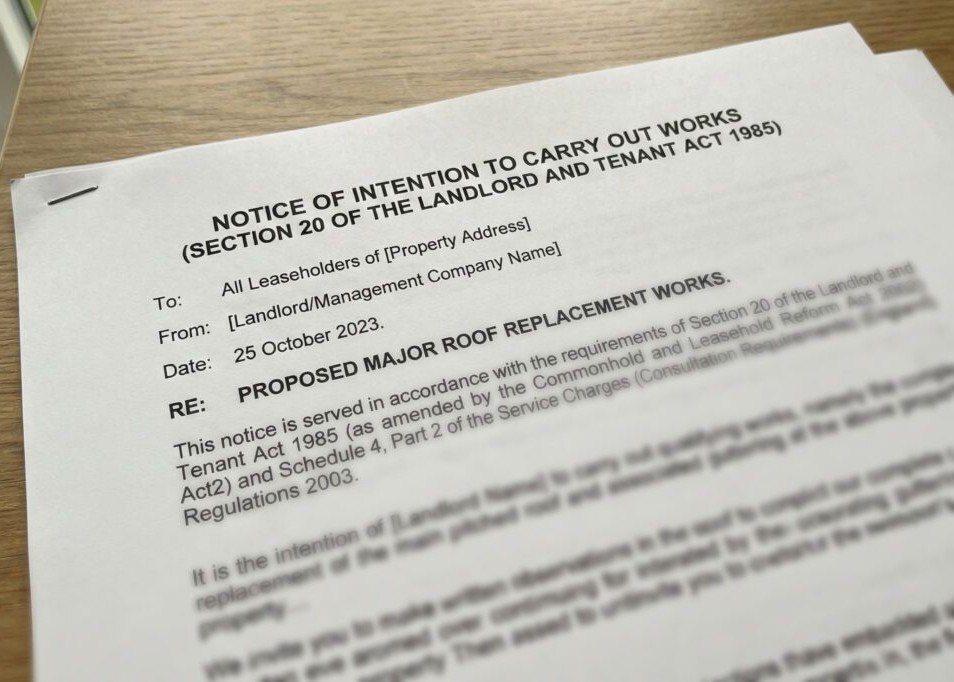
Section 20 is a legal consultation process designed to protect leaseholders from unexpected or unreasonable costs when major works or long-term contracts are proposed. Coast to Coast manages this process with precision, clarity and full compliance, ensuring leaseholders are properly consulted and landlords can recover costs lawfully.
A Section 20 consultation is required when major works will cost any leaseholder more than £250, or when a long-term agreement (lasting more than 12 months) will cost any leaseholder more than £100 per year. The process involves three formal stages: the Notice of Intention, the Statement of Estimates, and, where necessary, the Notice of Reasons. Each stage gives leaseholders the opportunity to understand the proposed works, nominate contractors, inspect estimates and submit observations.
We handle every part of the process — drafting notices, coordinating contractors, managing timelines, responding to observations and ensuring full documentation. Our approach is transparent and structured, giving leaseholders confidence that the consultation is fair and giving landlords assurance that the works can proceed lawfully. Section 20 can feel complex, but with Coast to Coast, it becomes a clear, organised and fully compliant process.
Fire Safety Responsibilities
Fire safety is one of the most important responsibilities in any residential building. Coast to Coast ensures that every property we manage meets legal requirements, follows best practice and maintains a safe environment for all residents.
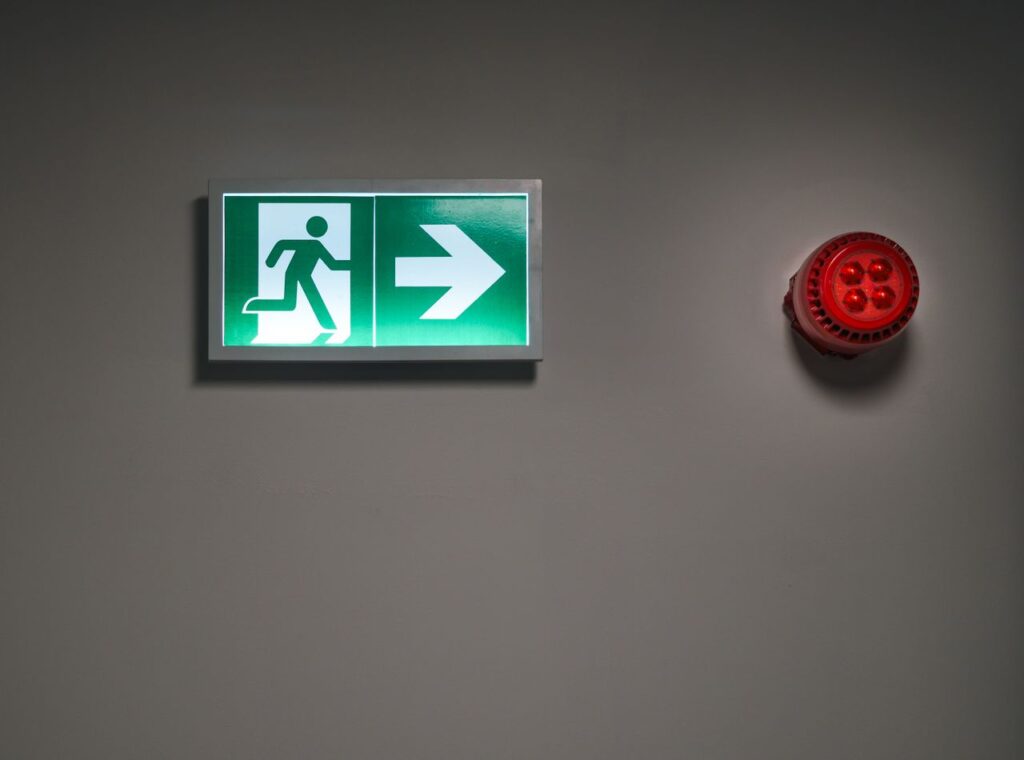
Fire safety responsibilities include maintaining fire alarms, smoke detectors, emergency lighting, fire doors, signage and evacuation routes. Buildings must also undergo regular fire risk assessments carried out by competent professionals. These assessments identify hazards, recommend improvements and ensure the building remains compliant with current legislation.
We coordinate all fire safety checks, maintain detailed records, and ensure contractors are qualified and reliable. Our inspections include photographic evidence and clear action plans, so landlords and leaseholders know exactly what has been done and what needs attention. Fire safety is not optional — it is a legal duty and a moral responsibility. Coast to Coast takes this seriously, delivering a service that protects residents and safeguards the building.

Leaseholder Rights
Leaseholders have a range of rights designed to protect them and ensure fair treatment within their building. Coast to Coast supports leaseholders by making these rights clear, accessible and easy to understand.
Leaseholders have the right to be consulted on major works and long-term agreements through the Section 20 process. They have the right to inspect accounts, challenge unreasonable service charges, and receive clear information about how their building is managed. They also have the right to quiet enjoyment of their home, meaning they should not be disturbed unnecessarily or subjected to unreasonable behaviour from neighbours or contractors.
Leaseholders can request information, raise concerns, and expect professional communication from their managing agent. They also have responsibilities — such as paying service charges, maintaining their property and complying with the terms of their lease — but these responsibilities are balanced by strong legal protections. Coast to Coast ensures leaseholders are treated fairly, kept informed and given the respect and clarity they deserve.
Landlord Compliance
Landlords must meet a range of legal obligations to ensure their properties are safe, compliant and suitable for tenants. Coast to Coast provides a structured compliance checklist to help landlords stay on top of their responsibilities throughout the year.
Key compliance requirements include maintaining a valid Electrical Installation Condition Report (EICR), ensuring smoke and carbon monoxide alarms are installed and tested, and providing a Gas Safety Certificate where applicable. Landlords must also protect deposits in an approved scheme, issue prescribed information, provide an EPC, and ensure the property meets HHSRS safety standards.
We manage all compliance checks, coordinate contractors, store certificates and remind landlords when renewals are due. Compliance is not just about avoiding penalties — it is about protecting tenants, safeguarding the property and ensuring a smooth, professional tenancy. Coast to Coast makes compliance simple, structured and stress-free.


Maintenance Reporting
Leaseholders have a range of rights designed to protect them and ensure fair treatment within their building. Coast to Coast supports leaseholders by making these rights clear, accessible and easy to understand.
Leaseholders have the right to be consulted on major works and long-term agreements through the Section 20 process. They have the right to inspect accounts, challenge unreasonable service charges, and receive clear information about how their building is managed. They also have the right to quiet enjoyment of their home, meaning they should not be disturbed unnecessarily or subjected to unreasonable behaviour from neighbours or contractors.
Leaseholders can request information, raise concerns, and expect professional communication from their managing agent. They also have responsibilities — such as paying service charges, maintaining their property and complying with the terms of their lease — but these responsibilities are balanced by strong legal protections. Coast to Coast ensures leaseholders are treated fairly, kept informed and given the respect and clarity they deserve.
AGM Agenda
An AGM agenda provides structure, clarity and professionalism to annual building meetings. Coast to Coast prepares agendas that keep discussions focused, productive and transparent.
A typical AGM agenda includes a welcome and introductions, approval of previous minutes, a review of the year’s management activities, presentation of service charge accounts, discussion of planned maintenance, compliance updates, and election or confirmation of directors where applicable. It also includes time for leaseholder questions and any motions raised in advance.
Our agendas ensure meetings run smoothly, decisions are documented, and leaseholders feel informed and involved. A well-structured AGM sets the tone for the year ahead — organised, transparent and professionally managed.